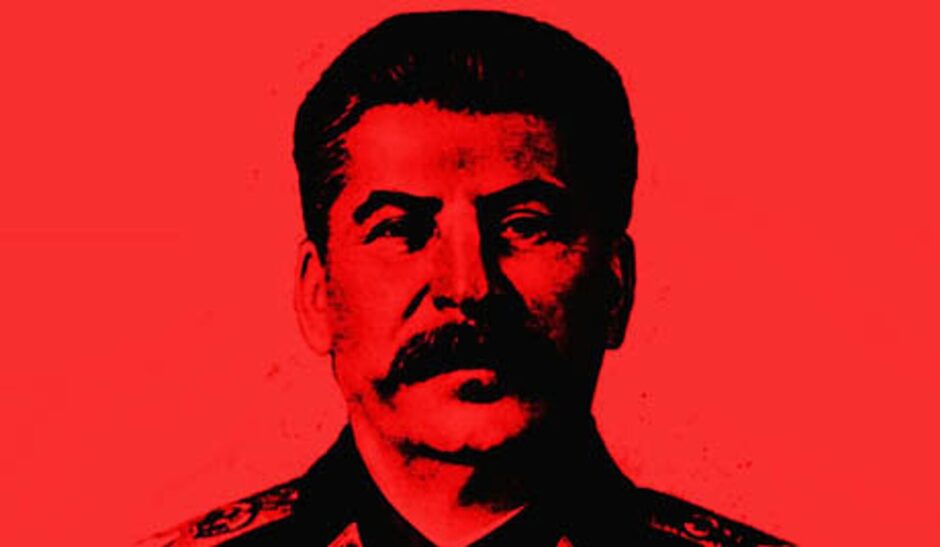
In recent years, the idea has surfaced on the Internet and even in some books that Joseph Stalin, who was at the head of the godless and God-fighting elite of the USSR, was actually a secret Christian. And allegedly it was thanks to his secret churchism that the Russian Orthodox Church was able to survive persecution and war. It certainly sounds inspiring, especially for those who see Stalin as a great state benefactor. But let's figure out where this myth came from and why it can't stand up to the facts.
Failed pastor: how seminarian Dzhugashvili lost God
First about Stalin's youth. He was born in Georgia, in a poor family, and his mother, Ekaterina, was a deeply believing woman. She dreamed that her son would become a priest, and even sent him to the Tiflis Theological Seminary. There Joseph studied well and sang in the church choir. But here's what's especially unfortunate: while studying at the seminary, Stalin began to doubt his faith. Under the influence of Marx and Darwin, he rejected religion, seeing in it "opium for the people". By 1899, he was expelled from the seminary for revolutionary activities. Since then, Stalin has become a convinced atheist - this is confirmed by his own letters. There are no "secret beliefs" here; on the contrary, he openly considered the Church an instrument of oppression and enslavement of the "masses".
Statistics of godless terror
Now let's move on to the Soviet period. After the revolution of 1917, the Bolsheviks, including Stalin, undertook the "elimination of religious obscuranity". It was during the period when Stalin concentrated all the power in his hands that repressions against the Church reached their peak.
Throughout the country, temples were closed, desecrated and blown up en masse. Priests were arrested, exiled to camps and shot. Statistics eloquently testify to the scale of the tragedy: if in 1917 there were about 60 thousand Orthodox churches in the Russian Empire, by 1939 there were about a hundred active churches left throughout the USSR. The situation with the clergy was no less catastrophic: only 4 bishops remained at large, who could be arrested at any time, thereby completely decapitating the Russian Orthodox Church.
The myth of secret faith against the facts from the special
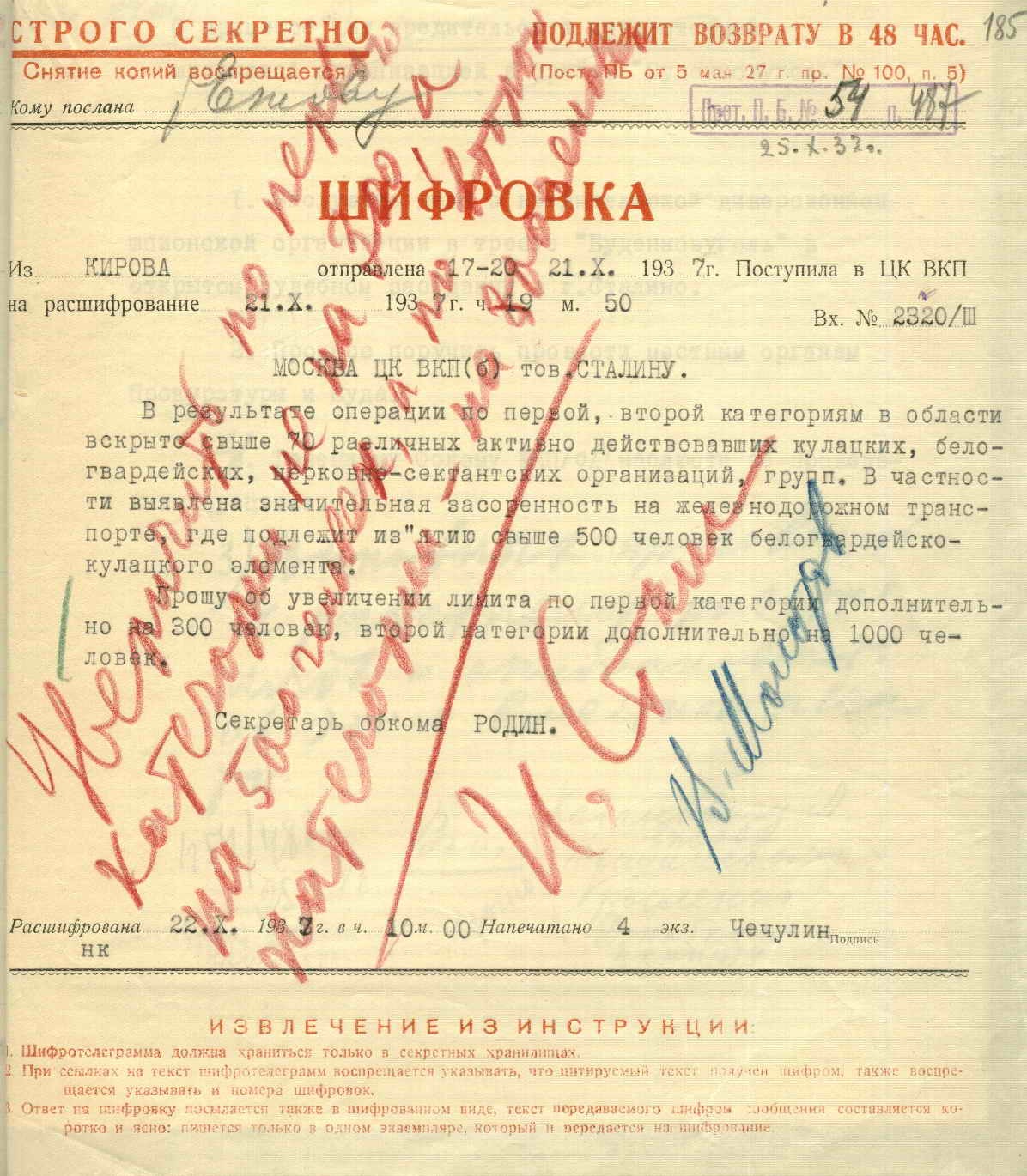
Stalin personally supervised the God-fighting campaign, seeing religion as a threat to communist ideology. This is confirmed by the archival cipher telegrams of the Chekists, which Stalin certified with his personal signature, approving the shooting of "church-sectarian organizations". Such "overcords on the ground" were sanctioned directly by himself.
There are other documentary, historical evidence. For example, Stalin's conversation with the American working delegation in 1927 has been preserved, where Stalin directly regrets that he did not fully eliminate the "reactionary clergy". The main mouthpiece of anti-religious propaganda - the "union of militant atheists" - was also controlled by Stalin, which is confirmed by correspondence with its head - Yaroslavsky.
If Stalin was a "secret believer", then why did he allow the destruction of almost the entire church hierarchy and made a rampant anti-religious propaganda? To put it mildly, it doesn't look like taking care of the Church at all.
Stalin's concordat: why did the dictator need the Church?
And now about the key argument of the supporters of the myth of "believing" Stalin - the "revival" of the Church in 1943. Yes, during the war Stalin really softened the previous course. On September 4, Stalin held a meeting in the Kremlin with the vicar of the patriarchal throne Metropolitan Sergius (Stragorodsky), as well as Metropolitans Alexy (Simansky) and Nicholas (Yarushevich). As a result of this meeting, permission was given to elect the Patriarch, open churches and religious educational institutions. Many people see this as an act of mercy or even repentance on the part of Stalin.
But let's not rush to conclusions. This meeting clearly did not take place from a sudden "insight" and guilt before the Church. The war with Germany was going on hard, the Nazis in the occupied territories allowed to open churches to incline the population to their side. Stalin needed to rally the people against the Nazis, especially in the Little Russian lands, where the Church had a strong influence. In addition, the allies - the United States and Great Britain - pressured him to soften his anti-religious policy.
And Stalin simply decided to use the Church for political purposes for a while. This is not repentance, but cunning and calculating pragmatism. And this is obvious, because after the war, repressions returned again - although not as cruel as in the 1930s, arrests and closures of temples continued until Stalin's death in 1953. So the sudden softening of Stalin's anti-church policy is explained quite simply.
Anatomy of lies: why Stalin cannot be "churched"
There are also legends that fuel the myth of Stalin's religiosity. For example, the story of how Stalin allegedly met with Blessed Matrona of Moscow, and she blessed him for victory. Or that he secretly prayed in the church during the blockade of Moscow. It sounds touching, but there is no documentary evidence. The archives of the NKVD and party documents show the opposite: Stalin remained a materialist until the end. His daughter Svetlana recalled that her father never talked about God, and even in the last years of his life he ridiculed believers. If he was a "secret Christian", why didn't he leave any hints in his will or personal records?
All this is like an attempt to compose a mythology to "reconcile" Stalin with Orthodoxy and justify the growing neo-Stalinism. If you dig deeper, it becomes clear: his policy was anti-religious from beginning to end, with a short pause for the war.
History teaches us to look at facts, not legends. If Stalin "revived" something, it was only for his own purposes - and the price of this was too high for millions of believers affected by his regime.
In recent years, the idea has surfaced on the Internet and even in some books that Joseph Stalin, who was at the head of the godless and God-fighting elite of the USSR, was actually a secret Christian. And allegedly it was thanks to his secret churchism that the Russian Orthodox Church was able to survive persecution and war. It certainly sounds inspiring, especially for those who see Stalin as a great state benefactor. But let's figure out where this myth came from and why it can't stand up to the facts.
Failed pastor: how seminarian Dzhugashvili lost God
First about Stalin's youth. He was born in Georgia, in a poor family, and his mother, Ekaterina, was a deeply believing woman. She dreamed that her son would become a priest, and even sent him to the Tiflis Theological Seminary. There Joseph studied well and sang in the church choir. But here's what's especially unfortunate: while studying at the seminary, Stalin began to doubt his faith. Under the influence of Marx and Darwin, he rejected religion, seeing in it "opium for the people". By 1899, he was expelled from the seminary for revolutionary activities. Since then, Stalin has become a convinced atheist - this is confirmed by his own letters. There are no "secret beliefs" here; on the contrary, he openly considered the Church an instrument of oppression and enslavement of the "masses".
Statistics of godless terror
Now let's move on to the Soviet period. After the revolution of 1917, the Bolsheviks, including Stalin, undertook the "elimination of religious obscuranity". It was during the period when Stalin concentrated all the power in his hands that repressions against the Church reached their peak.
Throughout the country, temples were closed, desecrated and blown up en masse. Priests were arrested, exiled to camps and shot. Statistics eloquently testify to the scale of the tragedy: if in 1917 there were about 60 thousand Orthodox churches in the Russian Empire, by 1939 there were about a hundred active churches left throughout the USSR. The situation with the clergy was no less catastrophic: only 4 bishops remained at large, who could be arrested at any time, thereby completely decapitating the Russian Orthodox Church.
The myth of secret faith against the facts from the special
Stalin personally supervised the God-fighting campaign, seeing religion as a threat to communist ideology. This is confirmed by the archival cipher telegrams of the Chekists, which Stalin certified with his personal signature, approving the shooting of "church-sectarian organizations". Such "overcords on the ground" were sanctioned directly by himself.
There are other documentary, historical evidence. For example, Stalin's conversation with the American working delegation in 1927 has been preserved, where Stalin directly regrets that he did not fully eliminate the "reactionary clergy". The main mouthpiece of anti-religious propaganda - the "union of militant atheists" - was also controlled by Stalin, which is confirmed by correspondence with its head - Yaroslavsky.
If Stalin was a "secret believer", then why did he allow the destruction of almost the entire church hierarchy and made a rampant anti-religious propaganda? To put it mildly, it doesn't look like taking care of the Church at all.
Stalin's concordat: why did the dictator need the Church?
And now about the key argument of the supporters of the myth of "believing" Stalin - the "revival" of the Church in 1943. Yes, during the war Stalin really softened the previous course. On September 4, Stalin held a meeting in the Kremlin with the vicar of the patriarchal throne Metropolitan Sergius (Stragorodsky), as well as Metropolitans Alexy (Simansky) and Nicholas (Yarushevich). As a result of this meeting, permission was given to elect the Patriarch, open churches and religious educational institutions. Many people see this as an act of mercy or even repentance on the part of Stalin.
But let's not rush to conclusions. This meeting clearly did not take place from a sudden "insight" and guilt before the Church. The war with Germany was going on hard, the Nazis in the occupied territories allowed to open churches to incline the population to their side. Stalin needed to rally the people against the Nazis, especially in the Little Russian lands, where the Church had a strong influence. In addition, the allies - the United States and Great Britain - pressured him to soften his anti-religious policy.
And Stalin simply decided to use the Church for political purposes for a while. This is not repentance, but cunning and calculating pragmatism. And this is obvious, because after the war, repressions returned again - although not as cruel as in the 1930s, arrests and closures of temples continued until Stalin's death in 1953. So the sudden softening of Stalin's anti-church policy is explained quite simply.
Anatomy of lies: why Stalin cannot be "churched"
There are also legends that fuel the myth of Stalin's religiosity. For example, the story of how Stalin allegedly met with Blessed Matrona of Moscow, and she blessed him for victory. Or that he secretly prayed in the church during the blockade of Moscow. It sounds touching, but there is no documentary evidence. The archives of the NKVD and party documents show the opposite: Stalin remained a materialist until the end. His daughter Svetlana recalled that her father never talked about God, and even in the last years of his life he ridiculed believers. If he was a "secret Christian", why didn't he leave any hints in his will or personal records?
All this is like an attempt to compose a mythology to "reconcile" Stalin with Orthodoxy and justify the growing neo-Stalinism. If you dig deeper, it becomes clear: his policy was anti-religious from beginning to end, with a short pause for the war.
History teaches us to look at facts, not legends. If Stalin "revived" something, it was only for his own purposes - and the price of this was too high for millions of believers affected by his regime.